
A clearer way to work out the cost
A useful price comparison makes the arithmetic visible. It tells you the total, the unit price, and the basis for any saving. It also stops where the information stops. For SHAKE, the product prices are clear; a reliable daily or annual cost still needs your own usage assumptions.
September 2026 is this article’s edition in our 2026 series, not an earlier publication date.
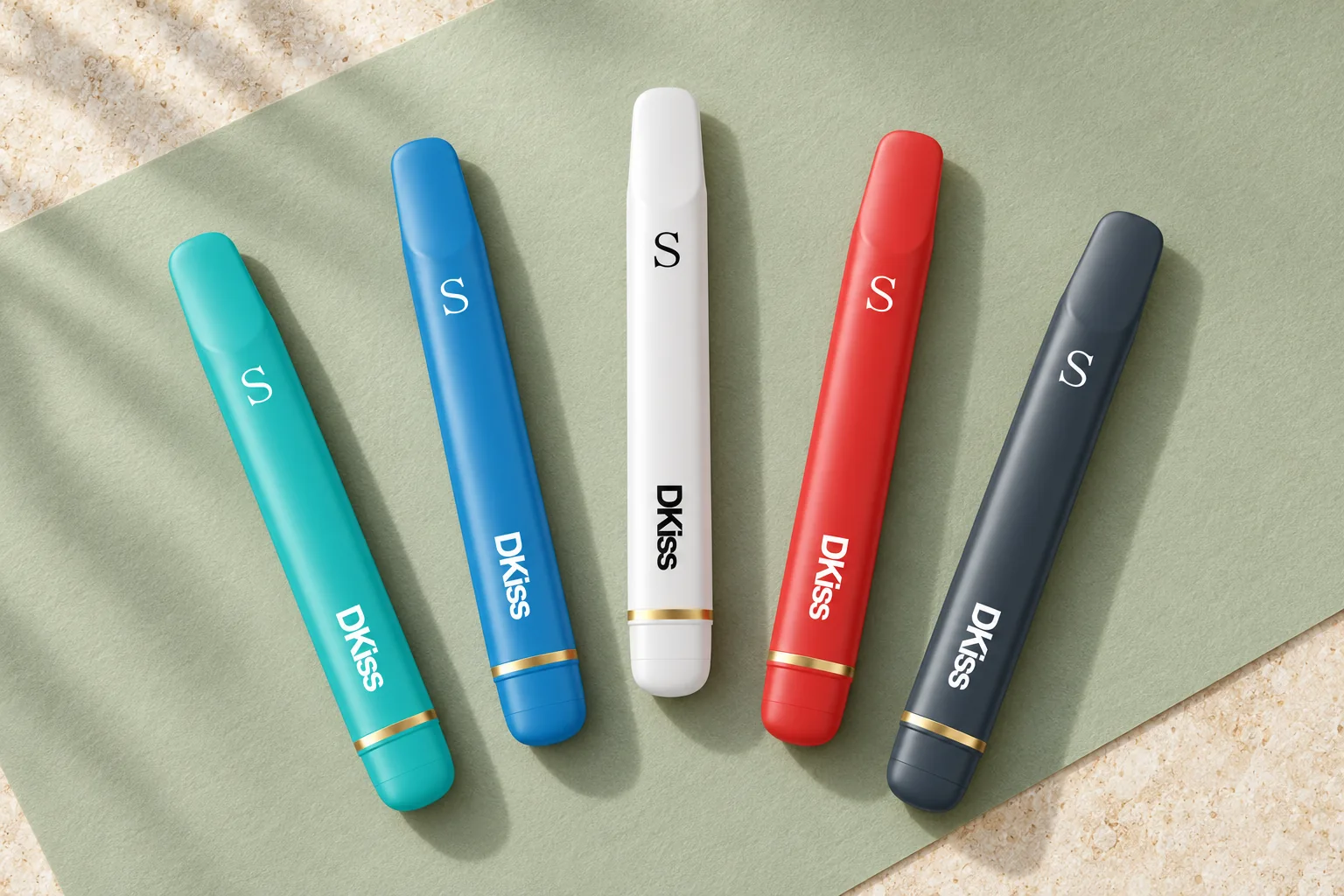
Start with the three choices
A single SHAKE is $6. A three-stick mix is $15, which works out to $5 per stick. A five-stick mix is $20, or $4 per stick. These are product totals in USD; shipping and applicable tax are additional.
The mix prices apply whether you repeat the same flavor or choose across the range. You do not need to select a particular flavor to use the three- or five-stick price. Pick the contents on preference, then review the total.
- 1 stick: $6 total; $6 per stick.
- 3 sticks: $15 total; $5 per stick; $3 saved versus $18 in singles.
- 5 sticks: $20 total; $4 per stick; $10 saved versus $30 in singles.
Know what the saving is measured against
Here is the saving in numbers: three $6 singles total $18, while the three-stick mix is $15. Five singles total $30, while the five-stick mix is $20. You save $3 or $10 against buying the same number of separate singles.
Five has the lowest unit price, but one has the lowest product total. Those statements can both be true. A smaller selection may be the more useful first step if you are still deciding whether the format or flavor appeals to you.
Use a quantity you can explain
For a planning example, one three-stick selection has a $15 product subtotal. Two five-stick selections have a $40 product subtotal. Those examples describe quantities purchased; they do not say that either quantity lasts a month.
For now, choose a quantity to price and keep the product subtotal separate from delivery and tax. Once you know your own replacement pattern, you can use that information to plan the next purchase.
Keep any broader comparison honest
If you compare a SHAKE budget with another purchase, use the same time period and include both sets of costs. The result is a spending scenario, not a prediction that your habits will change or that a product will help you quit smoking.
Use the site's cost comparison to try a few scenarios. Enter the costs and quantities that reflect your own purchases, then change one assumption at a time to see what moves the total.
Make your next choice a little easier.
Explore the cost comparison